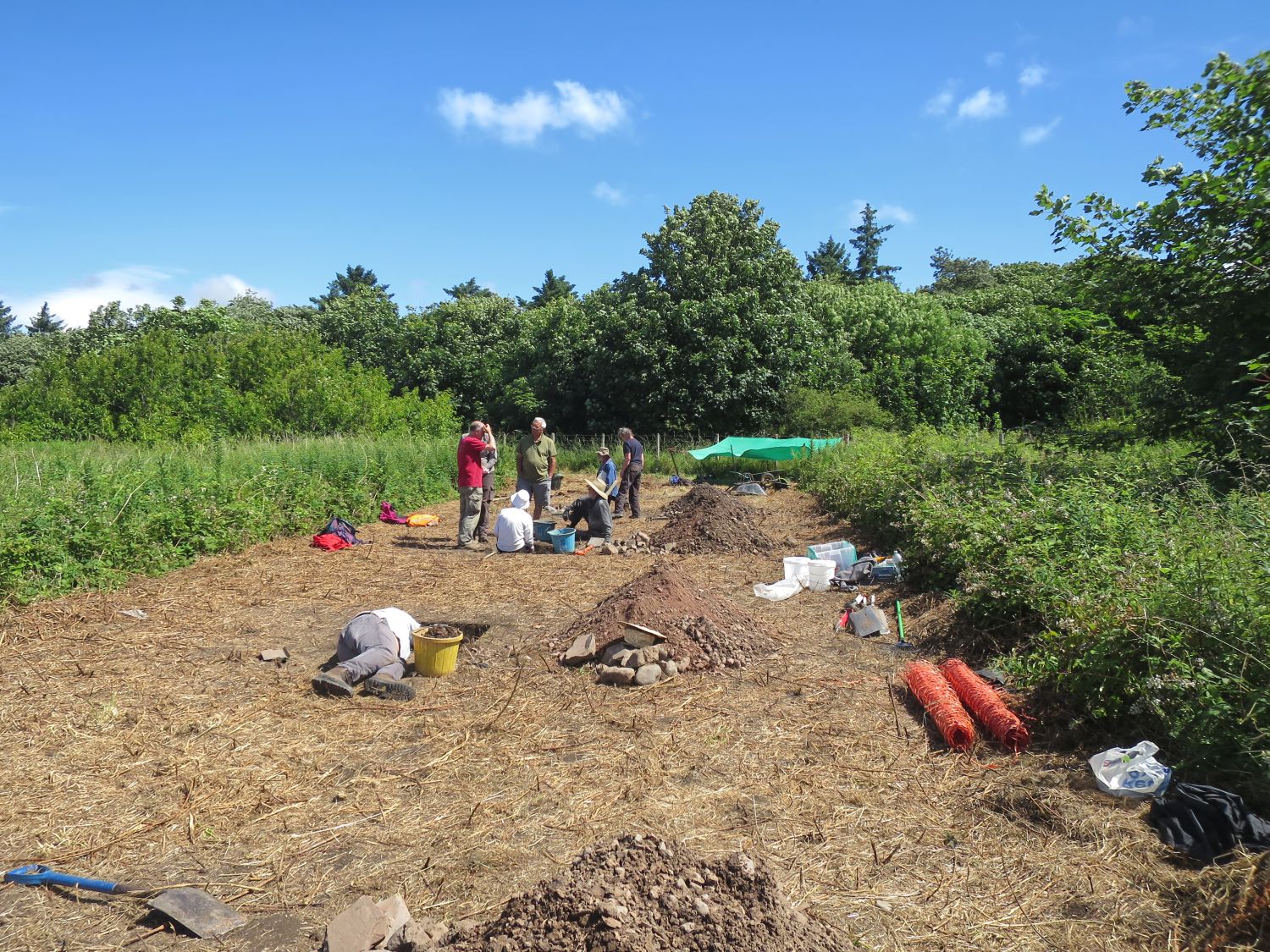
Today we travelled to Ravenglass to see the archaeological dig near the Roman fort, south of the village.
Carrying out the investigative dig are ‘Romans in Ravenglass’, a community group of four professional archaeologists, along with people from the village and local archaeological groups.
The main aim of the dig is to locate the road that leaves the fort from the North Gate. The dig itself is 100 metres north of the fort, in the area where they believe there was a ‘street’ of buildings that supported the fort. If it’s not found at this location, then it’s likely that the road was further to the west and eventually fell into the sea.
It would take a full excavation of the area to determine whether there were buildings of interest — for example, if they were making iron objects, baking bread, or if there was a place to stay, like an inn or tavern. So for now, this is essentially keyhole surgery to find the road. This road was the ‘A595’ of the Roman period and continued all the way up the coast to Carlisle. The Roman road from Hardknott Fort is believed to have met this road at a T-junction, just a few hundred metres further north, probably halfway between the fort and the village of Ravenglass.
Eventually, they will produce their results in the Cumberland and Westmorland Archaeological Journal, which will provide a full picture of this industrial settlement — the street supported 600 soldiers in the fort, including 120 cavalry, who had a demand for food and objects.
I must give a special thanks to Kurt for spending so much time away from the dig to chat with me about their work.
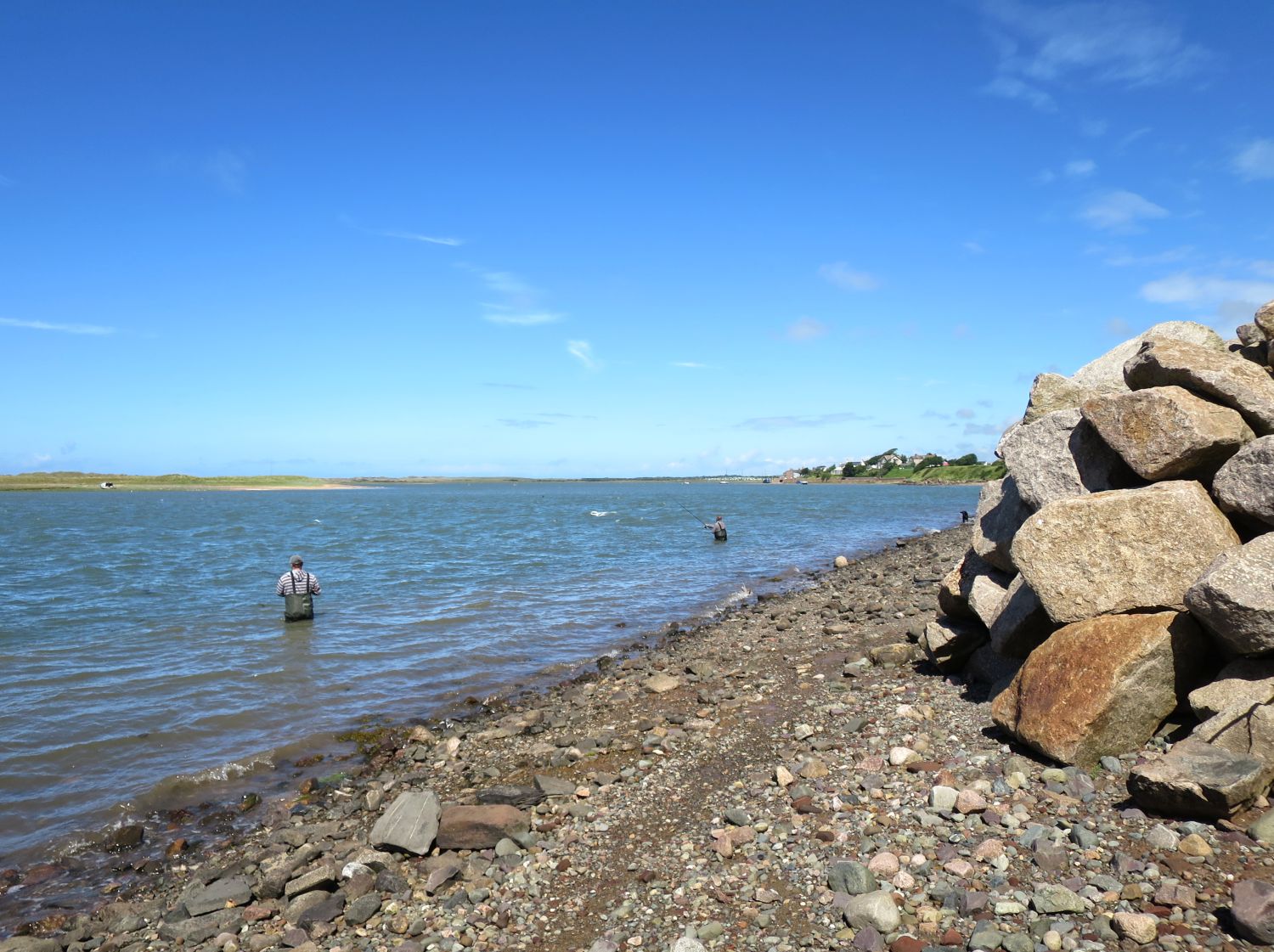
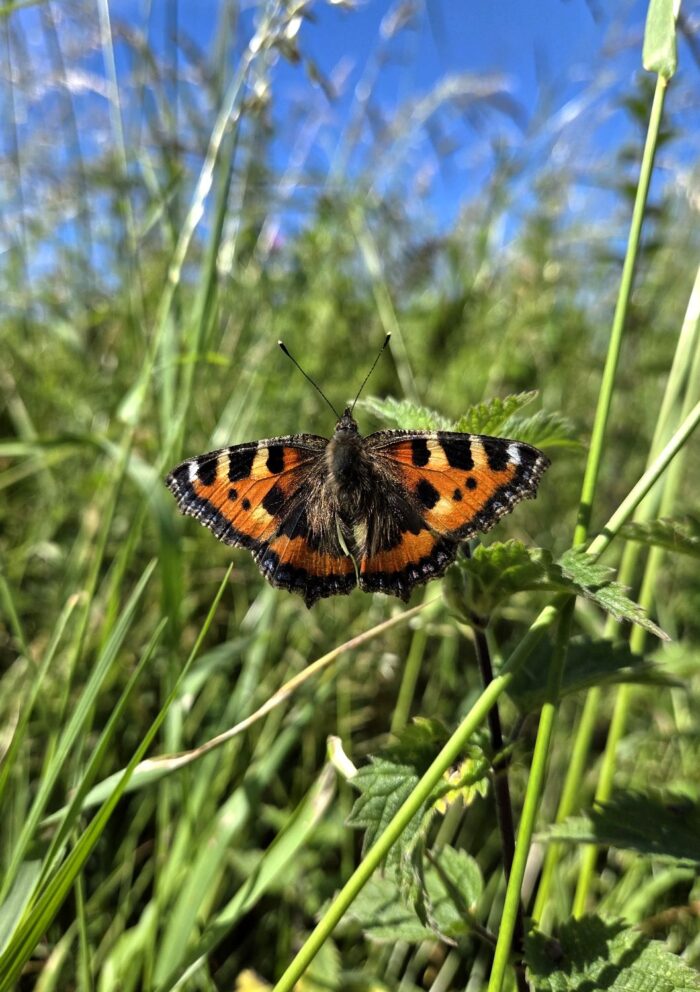
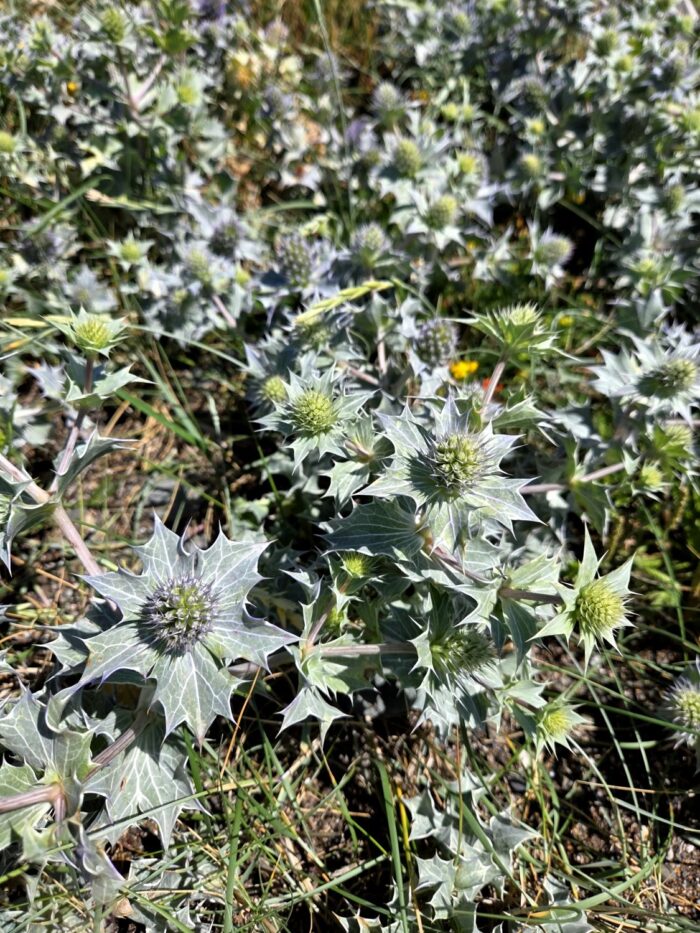
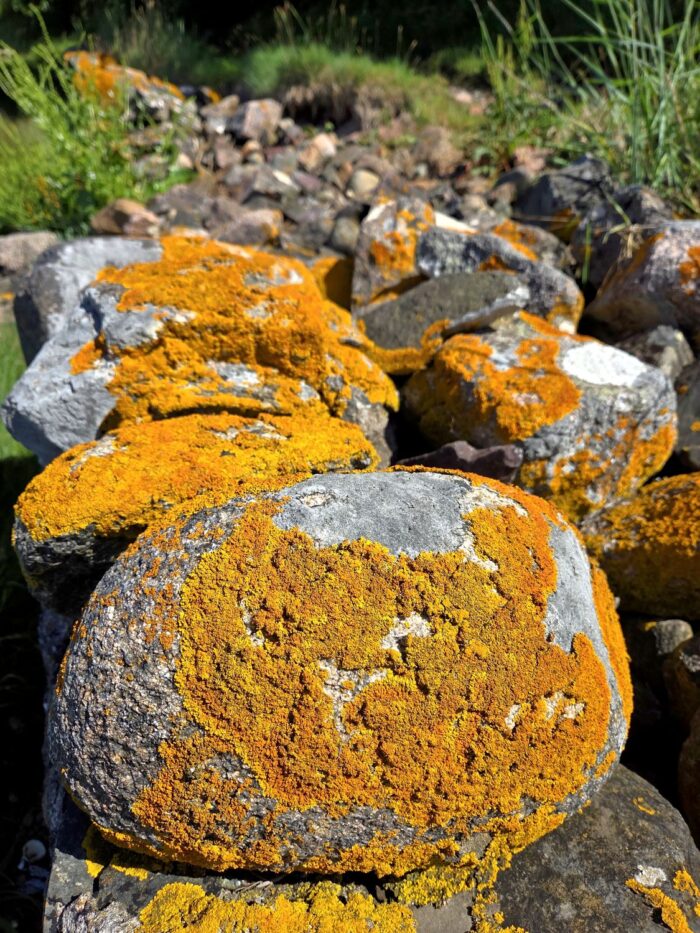
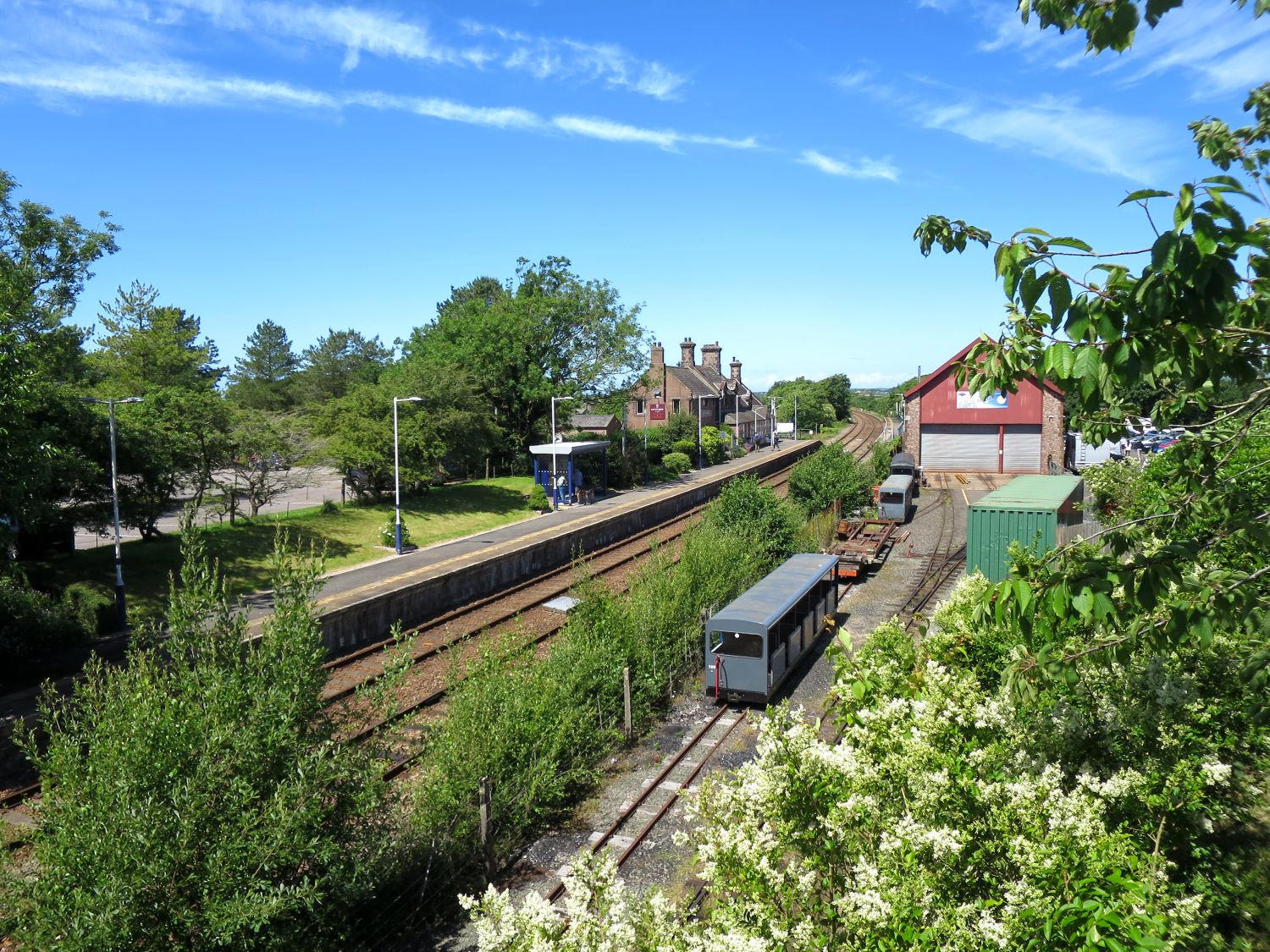
Following on from our visit to the dig, we ventured along the beach to look for interesting things to photograph, followed by a family picnic near the railway station.
Richard